Risk & Safety
The Cost of Mining Without Situational Awareness
Bridging the gap between risk and reality through stronger visibility, connected systems, and faster operational decision-making.
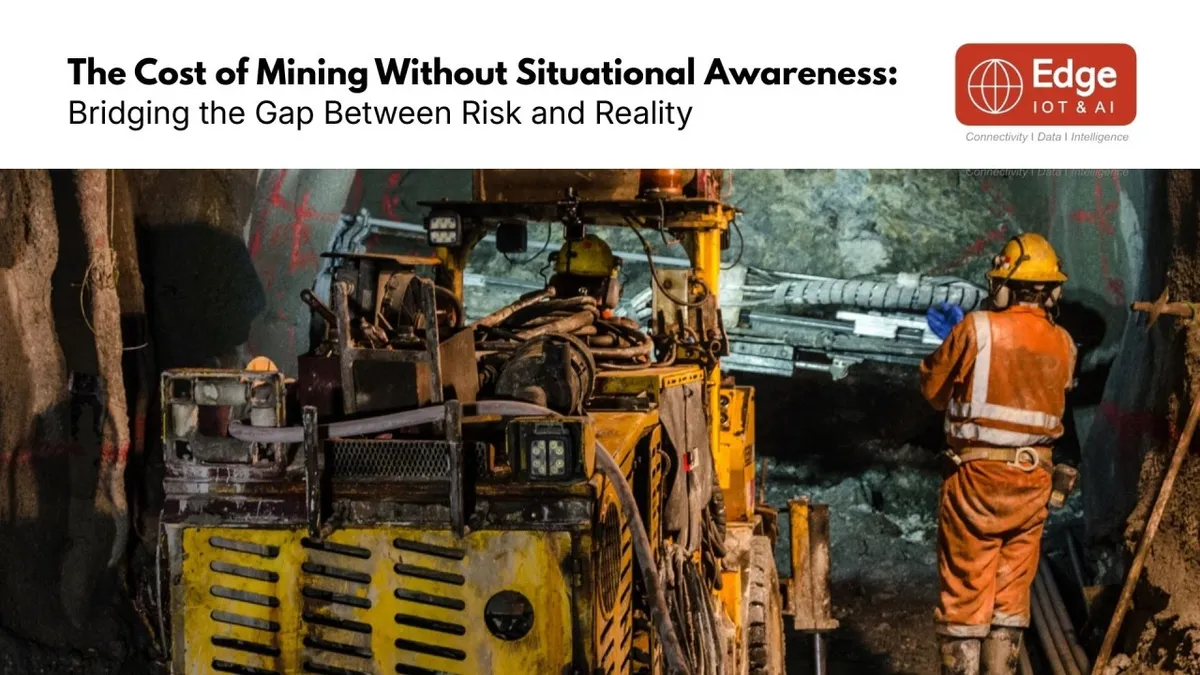
Serious mining incidents are a reminder that uncertainty is not always the same as unpredictability. A hazard may appear sudden to the people making decisions while signals were developing elsewhere in the operation, unseen or disconnected from the teams who needed them.
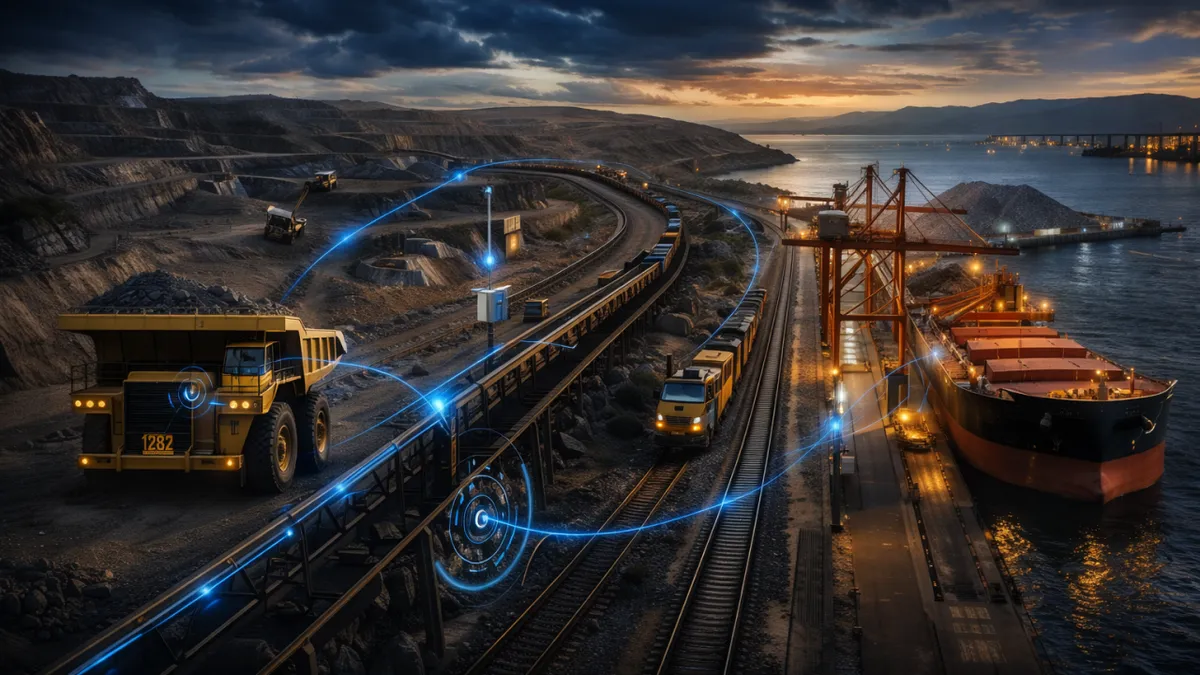
Mining can never remove every source of risk, but it can continually reduce blind spots. That requires moving beyond periodic observation toward systems that help teams understand changing conditions as they develop.
The safety layer is evolving
Traditional safety programmes use inspections, incident reports, and historical analysis to improve controls. These remain important, but underground conditions, equipment states, and human movement can change between inspection cycles.
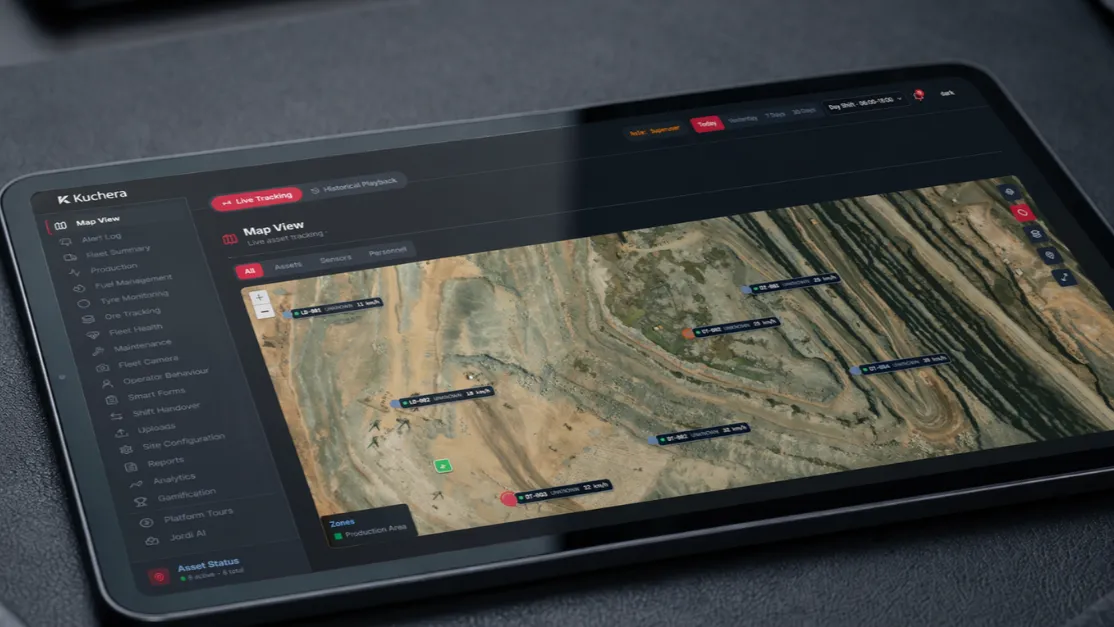
Active intelligence adds a live layer to that foundation. Connected sensors, cameras, personnel tags, and communication systems can identify relevant changes and bring them to the attention of decision-makers sooner.
From isolated sensors to situational awareness
A sensor reading has limited value on its own. Situational awareness comes from combining signals with location, time, equipment status, and operational context. That is what allows a team to distinguish normal variation from a developing hazard.
- Personnel tags and connected devices improve visibility underground
- AI-assisted cameras help teams identify patterns that demand attention
- Real-time communications shorten the path from detection to action
- Integrated platforms place safety signals alongside operational context
Better information supports better judgement
Technology should extend human knowledge, not attempt to replace it. Experienced miners and supervisors understand the operation in ways no single model can reproduce. Their judgement becomes more effective when they can see reliable information from across the working environment.
The goal is to surface quiet risks before they become visible through an incident. Predictive indicators, trend detection, and timely alerts give teams more opportunities to investigate, verify, and intervene.
Move beyond minimum compliance
Layered safeguards protect people and support operational continuity. The impact of a serious incident extends across families, teams, production, legal exposure, and organisational trust. Prevention therefore deserves to be treated as an operational capability, not only a regulatory requirement.
- Acknowledge the limits of manual observation
- Introduce early-warning systems where conditions can change quickly
- Connect edge data to the people responsible for acting on it
- Build a culture in which technology and human expertise reinforce each other
Technology cannot eliminate uncertainty, but it can make risk harder to hide. The more completely a mine can see its people, equipment, and environment, the better prepared its teams are to act before a warning becomes a crisis.
Adapted from material published by LinkedIn.
View original source